
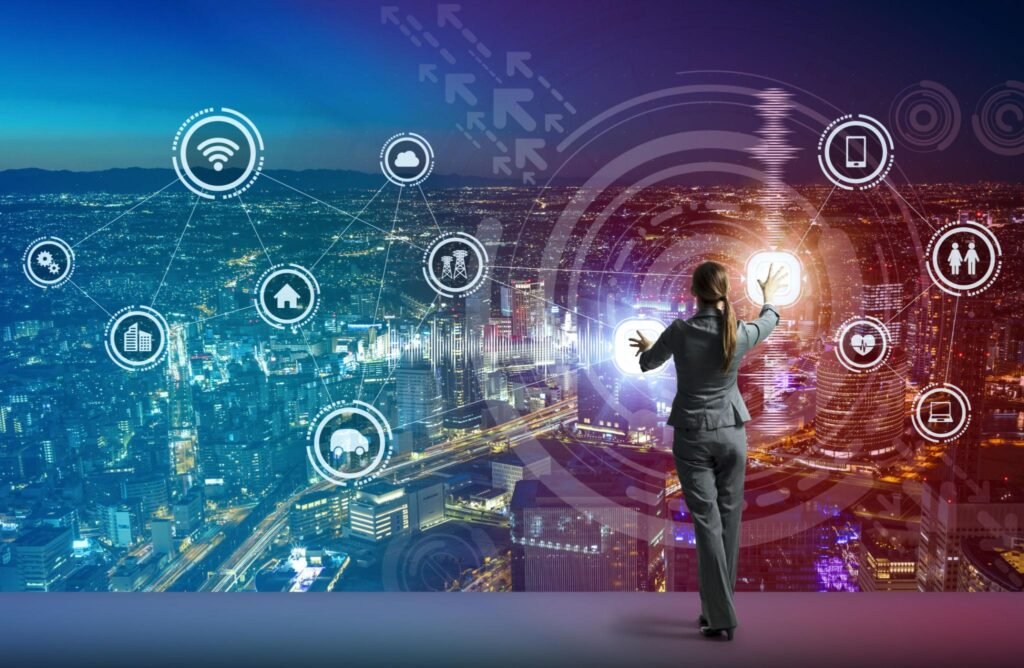
Technology is evolving faster than ever before, transforming how we live, work, and communicate. From artificial intelligence to smart devices, modern innovations are not only improving efficiency but also redefining everyday life. In this article, we explore the most important technology trends that are shaping the future and how they impact our daily routines.
🚀 Artificial Intelligence (AI) and Automation.
Artificial Intelligence (AI) is one of the most powerful technologies of our time. It allows machines to learn, analyze data, and make decisions without human intervention. AI is widely used in industries such as healthcare, finance, marketing, and customer service.
Automation powered by AI helps businesses save time and reduce human error. For example, chatbots provide instant customer support, while AI tools analyze large amounts of data to predict trends.
As AI continues to grow, it is expected to create new job opportunities while also changing the nature of existing roles.
🌐 Internet of Things (IoT)
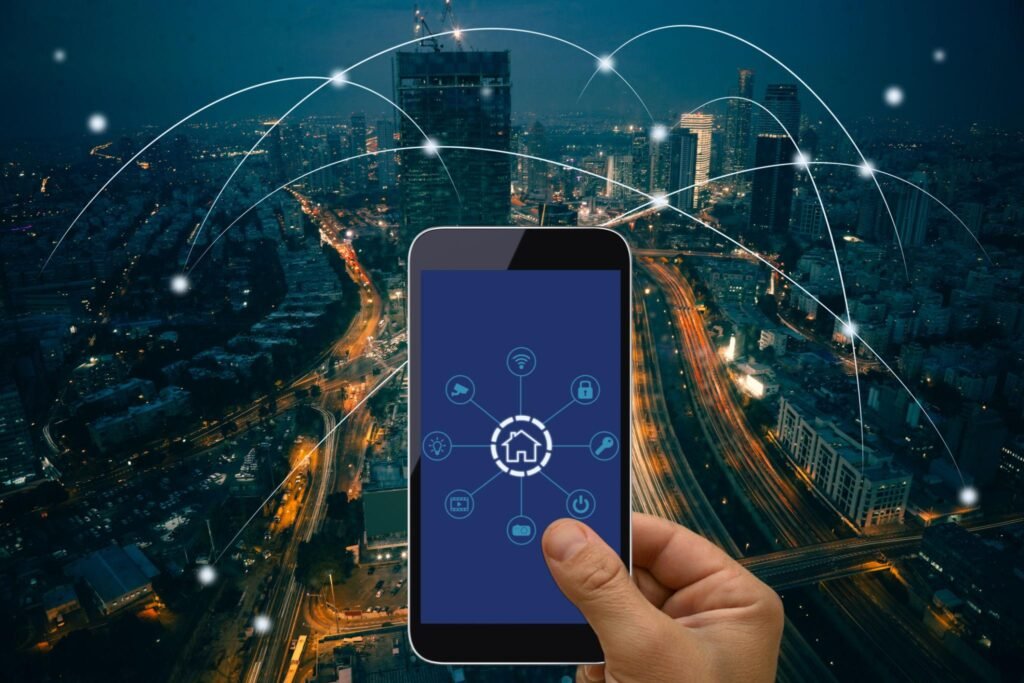
The Internet of Things (IoT) connects everyday devices to the internet, allowing them to communicate and share data. Smart homes are a perfect example, where devices like lights, thermostats, and security systems can be controlled remotely.
IoT improves convenience and efficiency in daily life. In industries, it helps monitor equipment, track inventory, and enhance productivity.
However, with increased connectivity, security and data privacy have become important concerns that need to be addressed.
📱 5G Technology and Faster Connectivity.
5G technology is revolutionizing internet speed and connectivity. It offers faster download and upload speeds, lower latency, and more reliable connections compared to previous generations.
With 5G, technologies like virtual reality (VR), augmented reality (AR), and online gaming become smoother and more immersive. It also supports smart cities and autonomous vehicles by enabling real-time communication.
As 5G expands globally, it will unlock new possibilities for innovation and digital transformation.
☁️ Cloud Computing and Data Storage.
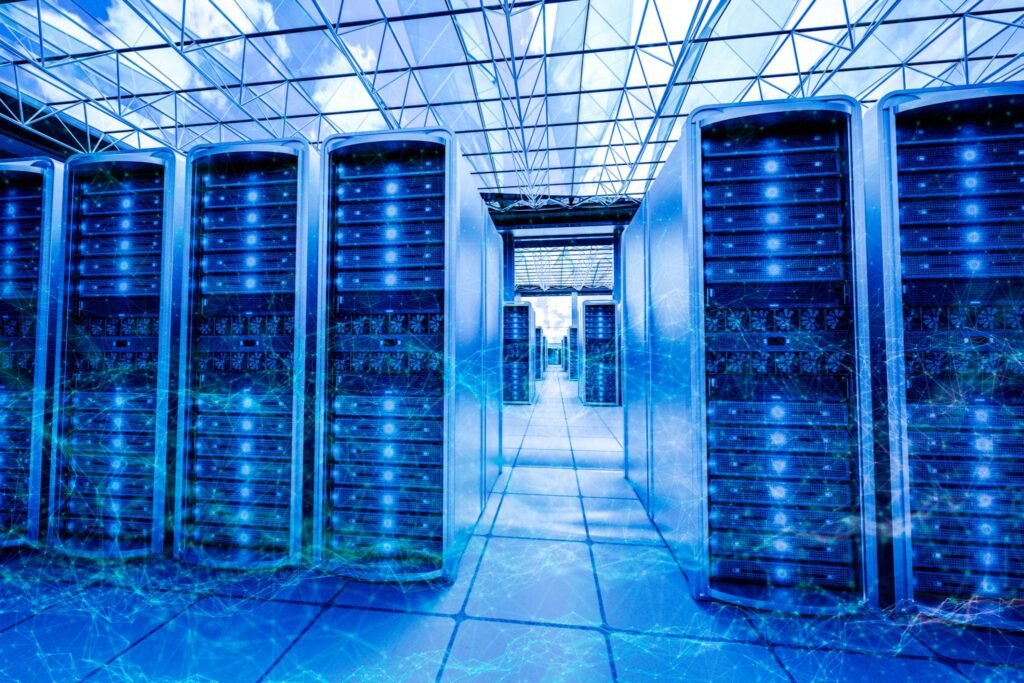
Cloud computing allows users to store and access data over the internet instead of relying on physical storage devices. Services like Google Drive and Dropbox are common examples.
Businesses benefit from cloud computing by reducing costs, improving collaboration, and ensuring data security. Employees can access files from anywhere, making remote work more efficient.
As data continues to grow, cloud technology will remain essential for managing and protecting information.
🔐 Cybersecurity and Data Protection.

With the rise of digital technology, cybersecurity has become more important than ever. Cyber threats such as hacking, phishing, and data breaches can cause serious damage to individuals and businesses.
Modern cybersecurity solutions include encryption, firewalls, and multi-factor authentication. Companies are investing heavily in protecting user data and maintaining trust.
Users also play a role by using strong passwords and being aware of online risks.
🤖 Future Innovations to Watch.

The future of technology is full of exciting possibilities. Innovations such as robotics, virtual reality, and autonomous vehicles are already making progress.
Smart cities, powered by advanced technology, aim to improve urban living by optimizing transportation, energy use, and public services.
As technology continues to evolve, it will bring both opportunities and challenges that require careful planning and ethical considerations.
🏁 Conclusion
Technology is shaping the future in ways we never imagined. From AI and IoT to 5G and cybersecurity, these advancements are improving our lives and creating new opportunities.
However, it is important to use technology responsibly and stay informed about its impact. By understanding these trends, individuals and businesses can adapt and thrive in the digital age.